
Why Conscious Consumerism Matters
In my last blog post, I wrote about how to become a more conscious consumer when selecting your gifts, and this idea of conscious consumerism is a topic I am very passionate about. I don’t make New Year’s resolutions, but I’m participating in a 30-day challenge organized by one of my strategic partners, Cyndy Porter of Cyndy Porter Style & Photography, called Ethical Ensembles Closet Challenge. More about this later.
Have You Heard Of Fast Fashion?
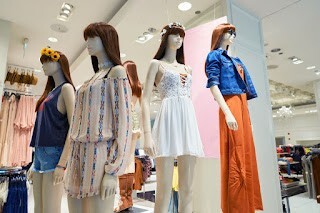
Originally, Fast Fashion was the term utilized by fashion retailers to express that designs move from catwalk to consumer quickly to capture current fashion trends. Today, fashion cycles are happening much faster. There used to be four seasons per year; now there can be 11 to 15 or more per year. Fast fashion is mass-produced in factories that:
- have poor working conditions;
- exploit workers; and
- use chemicals and materials that are harmful to the workers and the environment.
Ever-changing styles and lower prices sway consumers to purchase more than they need, and to dispose of the clothes faster, leading to more waste.
| Copyright : TEA |
Fast Fashion To Slow Fashion
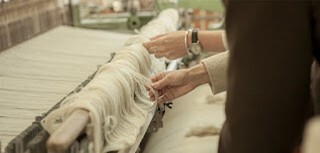
Fast Fashion has led to the birth of the Slow Fashion movement, which advocates for principles similar to those of slow food, such as good quality, a clean environment, and fairness for both consumers and producers. Slow Fashion produces clothing made of high-quality materials, usually with timeless designs that can be worn year-round and never go out of style. Also pertinent to the purpose behind Slow Fashion is developing a garment with a cultural and/or emotional connection. It is felt that consumers will keep a piece of clothing longer if they feel emotionally or culturally connected to it. Other elements of the movement include: buying vintage clothes, redesigning old clothes, donating old clothes and purchasing from smaller producers.
| notjustalabel.com |
Back To The Ethical Ensembles Closet Challenge
Cyndy wants women to become more aware of where their clothes are made, who made them, the conditions in which they are made, and how they were made to last. The first step is to understand what is in your closet. In the next 30 days, the challenge officially starts on the 15th of January, you are to:
- Wear all of the winter clothes you own
- Create a new outfit every day
- Don’t wear any outfit twice; and
- Share your outfits for feedback on Facebook
This challenge is going to make me evaluate every piece of my winter wardrobe. If you’re like me, there are certain pieces I wear all the time and others I can’t remember the last time I wore them. Cyndy says if you touch a piece you have to decide to:
- Wear it
- Save it (because it is an orphan and you need to add another piece to create an outfit)
- Recycle it
- Exchange it
- Donate it
The first two days of the challenge, I worked from home, so I hadn’t created my first outfit yet. Today, that all changed.
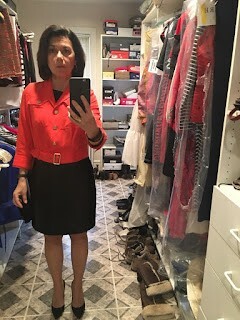
I will report the results at the end of the 30 days. If you are interested in getting more information about or participating in the Ethical Ensembles Closet Challenge, go to https://www.facebook.com/groups/SuccessthruStyle/
