
The Multicultural Artistry of Brazil
People from all over the globe will soon stream into Brazil for the summer Olympics. As we look toward Rio, I’m remembering my own many trips to Brazil. I’ve loved experiencing the country’s mix of cultures and adding examples of Brazilian multicultural artistry to the VirtuArte collection.
European and African Heritage
Portuguese colonists arrived in Brazil centuries ago, and their imprint is still visible. The national language is Portuguese, and Catholicism imported from Portugal is still widely practiced. Central Brazilian cityscapes with narrow streets and Baroque churches recall styles in Portuguese cities.
Africans came to Brazil when Portuguese landowners brought them as slaves to work on sugar and cotton farms. Brazil’s famous samba rhythm of music and dance evolved from these Africans’ musical and religious roots. Brazil’s national dish, fejioada, originated as a slave’s meal — as stew of beans and meats served with rice and condiments.
After slavery ended in Brazil, immigration from Western European countries increased. In southern Brazil, Germans brought their native architecture to churches and houses, and the German Oktoberfest has joined other celebrations in Brazil’s party-loving culture.
Carnival
Brazil’s most spectacular annual party is Carnival. Before Lent, Brazilians give themselves over to four days of singing, dancing and costumed revelry in the city streets, day and night.
At this pulsating celebration, Rio’s many samba schools, or local cultural clubs, compete to put on the best parade. They work all year to prepare for and rehearse these parades, each telling a story through music, lyrics dance, elaborate costumes and floats.
Two Sips of Brazil
In Brazil, one of the world’s top coffee producers, socializing over coffee is part of the culture. Many Brazilians take a break during the day for a cafezhino, a strong, black brew served in small cups with lots of sugar.
The national cocktail of Brazil is the caipirinha (kee-purr-Reen-yah), a blend of Brazilian rum, sugar and fresh lime juice ofter served at Carnival. The rum is the sweetest kind available, flavored by sugar cane juice rather than molasses.
Brazilian Artwork
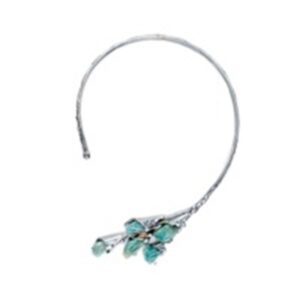
The VirtuArte collection represents the various cultures, crafts and materials of Brazil. We offer jewelry combining alpaca silver and semi-precious stones native to Brazil.
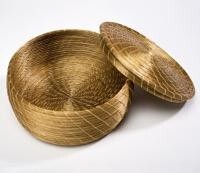
Other jewelry and baskets are woven from a rare plant called golden grass found in northern Brazil. This grass with its natural metallic sheen is sustainably harvested once a year, providing important income to local villagers.
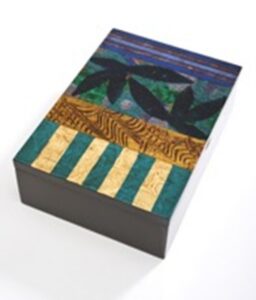
African patterns have influenced our colorful, handprinted wooden coasters and boxes. The craft of glassblowing brought to Brazil from the Italian island of Murano provides our elegant vases and candle holders.
Brazilians are known for their wild passions for soccer and partying, but take a look at Brazilian handiwork, too. You’ll find vibrant designs that make incomparable gifts.
